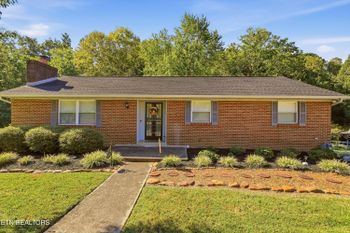
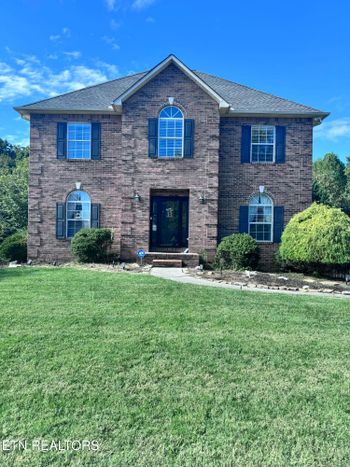
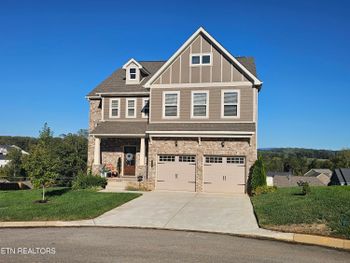
New - 30 Mins Ago
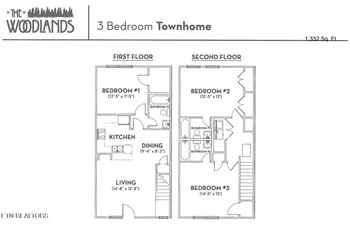
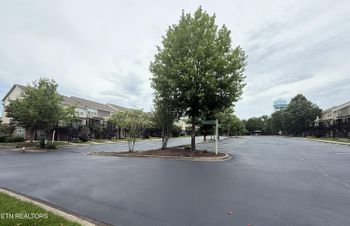
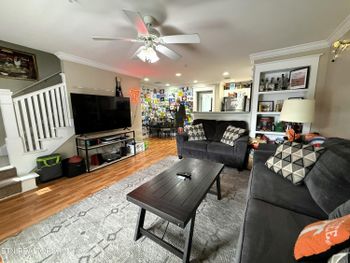
$357,000
Active
3
Beds
3
Baths
1332
Sqft
0.01
Acres
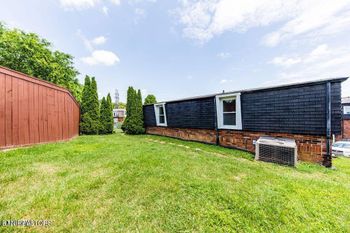
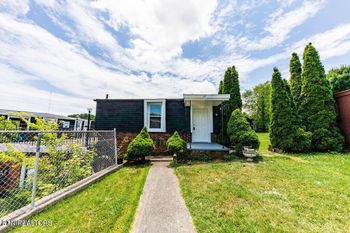
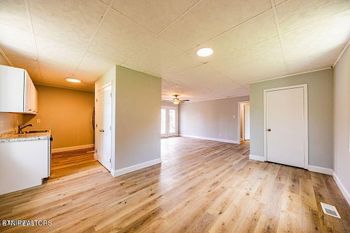
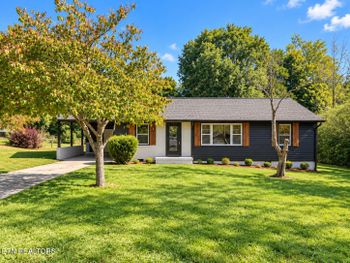
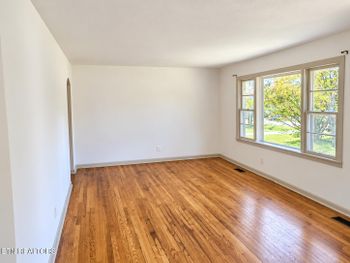
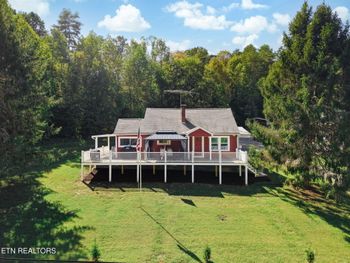
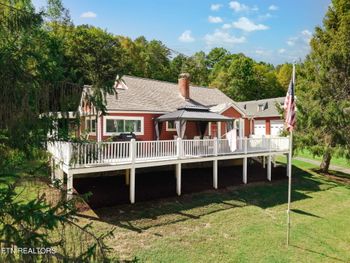
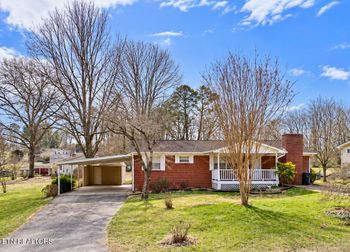
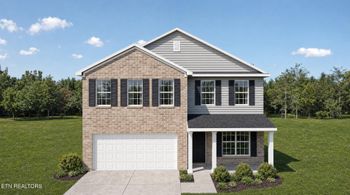
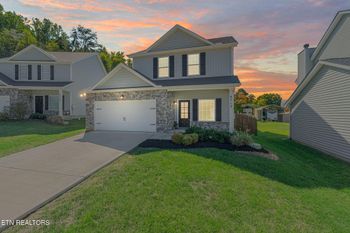
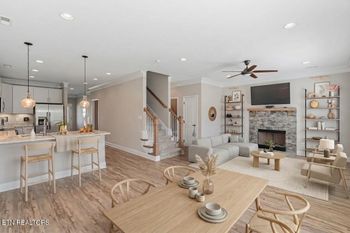
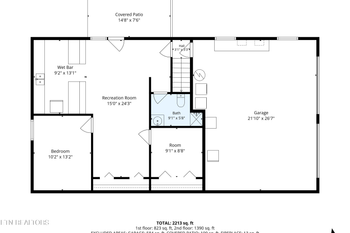
1105 Tree Top Way #1726, Knoxville, TN 37920
MLS#: 1358569



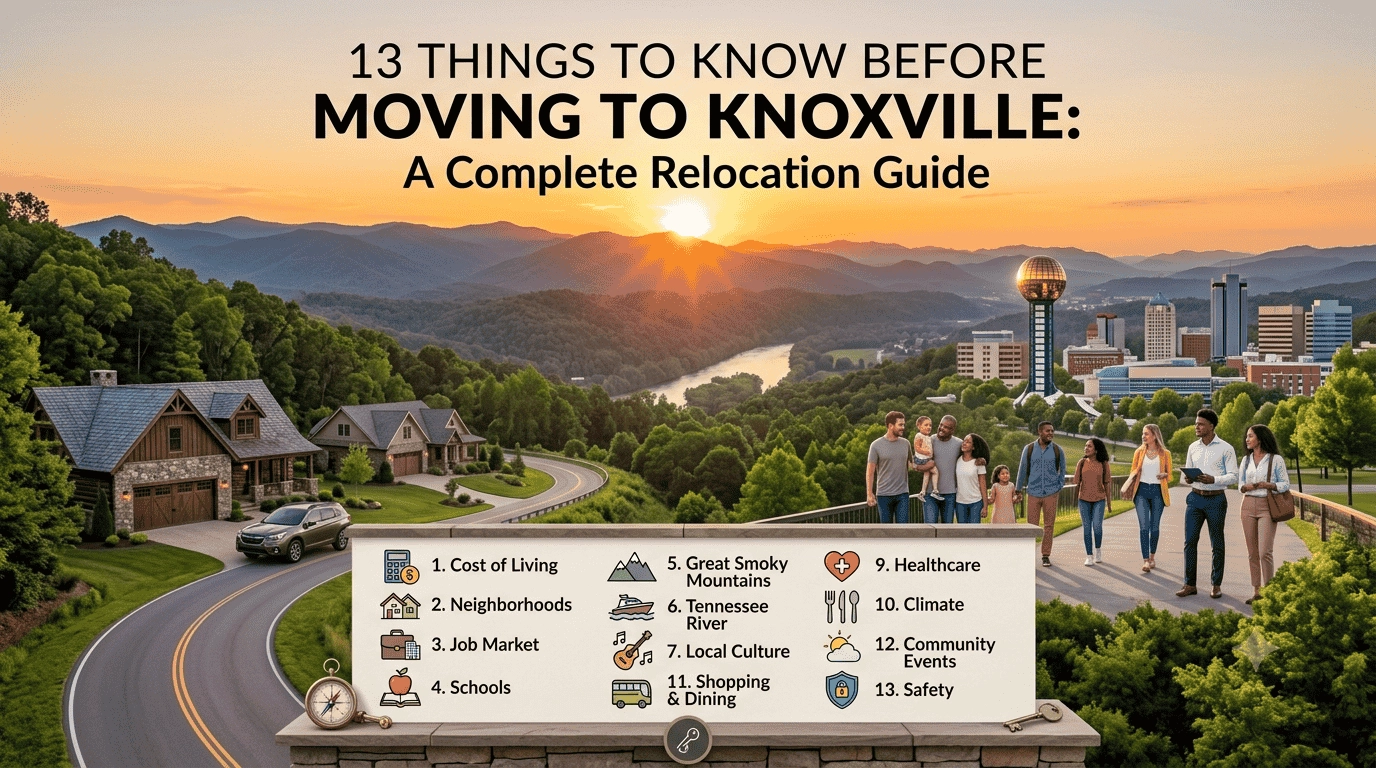
A visit to Knoxville can show you what you like about the area. A house-hunting trip should also show you what an ordinary weekday would look like: getting to work, picking up groceries, and getting back home.
Use these 13 points to compare homes and locations before you commit. Start with the places your week revolves around, then check the costs and services attached to each address. If you already have a moving date, our Knoxville relocation page is a place to tell us your timing and begin narrowing the search.
Put your work location, regular appointments, and other frequent stops on a map before choosing neighborhoods. A move for a job in downtown Knoxville calls for a different route comparison than a move for work in Oak Ridge or near the airport. Use the actual workplace entrance, not just the city name.
Agree on an acceptable weekday drive and the home features you will use most. If you will work in Oak Ridge but want to spend time in Knoxville, compare the daily work trip with how often you would make the evening or weekend trip. Decide which drive you are willing to repeat. That gives you a better starting point than a list of supposedly best neighborhoods.
A Knoxville mailing address does not settle every question about taxes, schools, utilities, or fire protection. Look up the parcel and confirm its jurisdiction before you compare ownership costs. For homes outside Knoxville, repeat the address-specific checks rather than carrying Knoxville assumptions over to the next property.
You can start separate home searches for Knoxville, Farragut, Maryville, and Oak Ridge. Compare the actual homes and journeys each search produces, rather than assuming the places are interchangeable.
Drive both directions between a shortlisted home and your main destination. Include the trip from the neighborhood to the main road, parking, and the walk into work. Try a weekday at your normal travel time; a quiet weekend showing will not answer the same question.
If you plan to take the bus, use Knoxville Area Transit's schedules and maps to check the stop, transfers, and service hours for the full journey. Walk the route to the stop during your visit. Do not assume transit availability from a Knoxville address alone.
Broad claims that Knoxville is affordable are not a substitute for your own numbers. Compare current homes that meet your size, condition, and location needs, then add taxes, insurance, HOA dues, utilities, and maintenance to the mortgage estimate.
For a Knox County property, check the county tax record and whether a separate City of Knoxville tax bill applies. Do not assume the seller's current tax bill will stay the same after your purchase. Ask your lender how taxes are being estimated for the loan, and use the applicable city or county tax source when checking the property. Include storage, temporary housing, and any overlap between two homes in the moving budget.
Tour a few different property types within your budget. A condo, an older detached house, and new construction can put different demands on your time and cash. For a condo or HOA property, read what the association maintains and what remains your responsibility.
At each showing, look at the driveway, steps, drainage, roof, heating and cooling, and storage. Ask what work has been completed and what documentation is available. A house that needs projects immediately may be hard to manage alongside a new job and an interstate move.
If schools are part of your move, begin with the KGIS Maps school-zone information for Knox County. Confirm the result with the district, particularly near a boundary or when planning for a future school year. For a home outside Knox County, use the relevant school district's own resources.
Ask about enrollment documents, transportation, and any programs important to your student. Knox County Schools' enrollment page explains its registration process. A listing description or neighborhood name should not be your only source for an assignment.
Ask who supplies electricity, water, sewer or septic service, gas if present, and waste collection at the property. Confirm setup dates, deposits, and any appointments directly with the providers. Do not assume that one company supplies every service.
For an existing home served by KUB, its service page links to the start/stop tools. If you work from home, check internet availability at the exact address and confirm an installation date. A provider's general coverage map is not an installation commitment.
This is a local setup question worth settling before closing. Confirm the property's fire-response provider and whether separate membership arrangements apply.
Our guide to Rural Metro in Knox County explains the difference between the city and other service areas, with links for checking an address.
During a showing, notice where water would drain, how steep the drive is, and whether outdoor steps and access work for you. Ask the inspector about moisture, the crawl space or basement, and any signs that need closer evaluation. A pretty view does not answer those questions.
Look up the address in FEMA's Flood Map Service Center and discuss coverage with your insurance provider. Use the map alongside the inspection and local property information; do not treat it as a guarantee that water problems cannot occur.
Leave room between showings for a grocery run, a walk, and a visit to a place you would use regularly. If trails are part of the appeal, try an entrance to Knoxville's Urban Wilderness and see how the trip works from the homes you are considering.
If walking to coffee, dinner, or a park matters, walk the actual route. Look at crossings and sidewalk connections rather than judging the distance on a map. One practical afternoon can tell you more about your routine than trying to tour every part of town.
Check your health plan's local network and contact any medical practices you will need about accepting patients and appointment availability. Make similar calls for childcare, pet care, or other services that affect your moving schedule.
A provider appearing on a map does not mean it has an opening when you need one. Keep a short list of confirmed arrangements and anything still pending so those gaps do not get lost among the packing tasks.
Tell your agent about job start dates, a lease ending, a home you need to sell, or limits on return visits. Tell your agent which parts of the process you may need to handle from out of town, and decide what you want to attend in person, especially the inspection and final walk-through.
Confirm when possession begins before you book the moving truck. If your arrival date is firm but your purchase is not, price a temporary-housing option before you need it. First-time buyers can also use our Knoxville buying guide to prepare for the lending, offer, and closing steps.
Tennessee's Driver Services guidance says new residents who hold an out-of-state driver's license must obtain a Tennessee license within 30 days of establishing residency. Check the current new-resident instructions for documents and appointment options. Vehicle titling and registration are separate tasks; use the Tennessee Department of Revenue guidance for new residents and confirm the process with your county clerk.
Add utility start dates, mail forwarding, school enrollment if needed, and the service arrangements you confirmed above. Keep those dates separate from the closing date so you can see what still needs attention after the keys change hands.
Tell The Knox Fox team where you need to commute, when you plan to move, and what you want from the home. Bring a few listings you like and the questions this guide raised. That gives us a useful starting point for comparing areas and planning your search.