New - Just Now



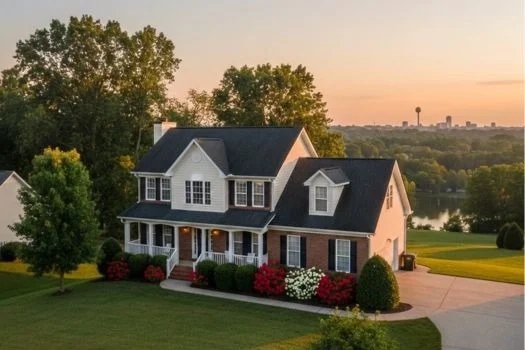
Start with the deadline and the tradeoff. “Fast” might mean receiving an offer soon, closing before a move, or avoiding months of carrying two homes. Those are different goals. The right plan depends on the property, its condition, nearby competition and how much flexibility you have on price and terms. No honest plan can promise a certain number of days or a certain sale price.
If you are selling because another purchase, job move or family change has a date attached, say that at the beginning. It changes which preparation tasks are worth doing and how you compare offers later.
Before choosing a list price, write down three things: your preferred closing date, the minimum net proceeds you need for the next step, and the work you can realistically finish before listing. If you also need to buy, include your purchase timing and the cost of carrying the current home while you wait.
A high offer with a long closing, financing uncertainty or a large repair request may fit your deadline less well than another offer. “Under contract” is a milestone, not the same as a completed sale. Leave room for inspections, appraisal, title work and the buyer's financing where those apply.
The last sale on your street is a starting point, but the buyer is comparing your home with what is available now. Look at recent nearby closed sales, active competition and properties that went under contract. Then account for differences that a buyer can see or will investigate: condition, layout, lot, parking, systems, location and any known restrictions.
Knoxville-area averages can hide a lot. A number for the entire city does not tell you how a particular West Knoxville house, Farragut property or downtown condo will be received. Ask for a property-specific pricing discussion and the reasons behind the proposed range. If your priority is a near-term closing, make that part of the pricing conversation rather than assuming the highest asking price is automatically the best starting point.
The Knox Fox's home-valuation page is a way to begin that local conversation. It is a request for an assessment, not an instant online price or an appraisal.
Do not spend a month remodeling simply because you want to sell quickly. Walk through the property with a buyer's questions in mind. Are there obvious maintenance issues? Are the rooms and access points easy to photograph and show? Can you explain the age or work history of major systems? Are HOA documents, permits or repair records available when relevant?
Choose work that is practical for your deadline and likely to make the home's condition clearer. Cleaning, small repairs and accurate property details may matter more than a speculative upgrade. If a larger issue exists, discuss whether to repair it, disclose it and price accordingly, or consider a different sale path. Tennessee has property-condition disclosure rules; review the current form and your circumstances with the appropriate professional instead of assuming a rushed sale erases disclosure questions.
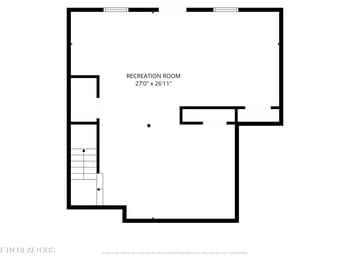
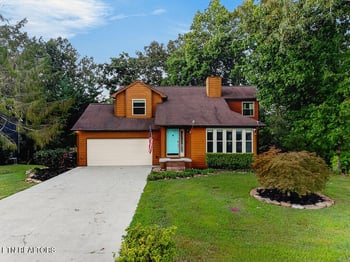
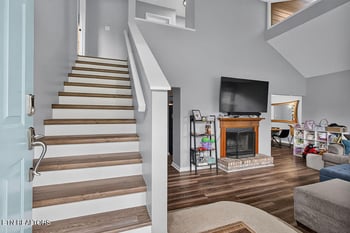
A useful listing should show what the home actually offers, answer likely buyer questions and make it possible to arrange a visit. Clear photography, accurate listing facts and an agreed showing plan all help people evaluate the home. They do not guarantee an offer in the first week.
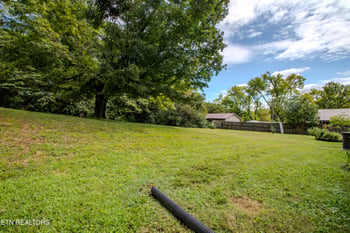
In East Tennessee, details can change from one address to the next. If relevant, give buyers verified information about the lot, access, utilities, HOA, septic or sewer, and any known drainage or repair history. For a Knox County home, verify its fire-response area before describing the service; our Rural Metro guide explains the address check. Do not turn a neighborhood name into an unsupported school, commute or service promise. Keep personal documents and valuables secure, and agree on showing notice that works for your household.
Once the home is live, review actual questions and showing feedback with your agent. A lack of visits, repeated concerns about condition and offers with difficult terms call for different responses. A price adjustment should follow the evidence for your property, not a rigid day-seven rule.
For each offer, compare the expected net proceeds, financing or proof of funds, contingencies, requested repairs or credits, closing date and possession terms. Ask what still has to happen before closing. A cash offer may reduce some financing uncertainty, but “cash” by itself does not prove the buyer will close quickly or that the net will be better.
If someone offers to buy the home directly, compare that written offer with a realistic listing path after fees, likely repairs, concessions and carrying costs. The fastest route and the highest net are not always the same route. A side-by-side discussion is more useful than a blanket promise about either one.
Tell us what you are selling, what date matters and what concerns you about preparing or showing the home. We can discuss the property and the choices in front of you. Our seller page explains the team's broader selling approach, and the valuation request is the place to start a local pricing conversation.